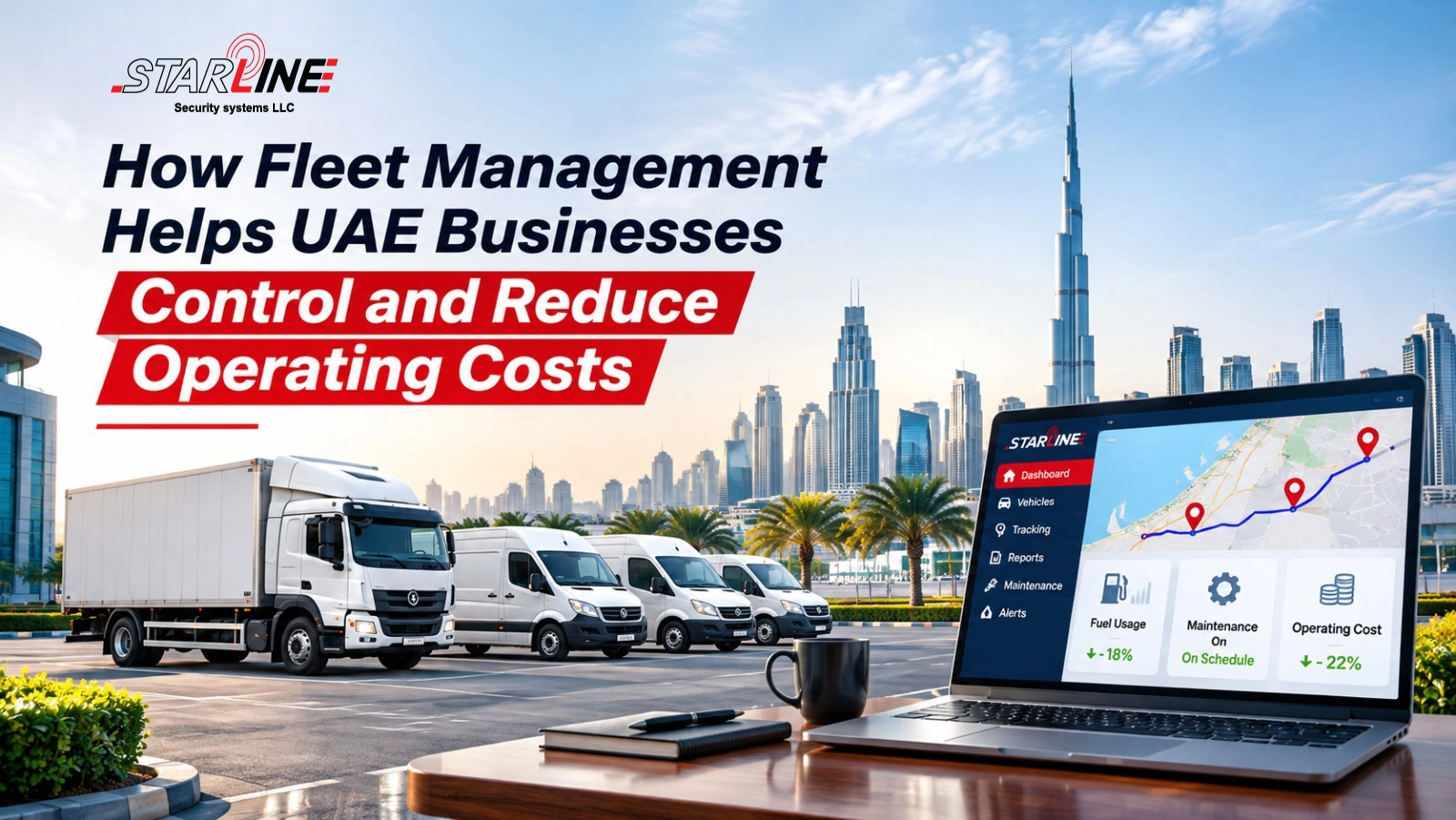
Why Fleet Cost Management Matters for UAE Businesses
Operating a fleet involves several recurring expenses. Fuel, servicing, repairs, insurance, vehicle depreciation and driver-related costs all contribute to the total cost of keeping vehicles operational.
When these expenses are not monitored properly, small inefficiencies can develop into larger financial problems. A vehicle that spends excessive time idling, an inefficient delivery route or a poorly planned maintenance schedule may increase operating costs without being immediately noticed.
Fleet cost management helps businesses understand these expenses and identify where improvements are possible. It also gives managers a clearer picture of how effectively their vehicles and resources are being used.
With accurate information, businesses can make practical adjustments, improve resource allocation and maintain better control over fleet-related spending.
How Fleet Management Helps Reduce Operating Costs
Reducing fleet expenses requires more than looking at fuel bills or repair invoices. Businesses need to understand the operational factors behind those expenses. Fleet management systems provide useful information that helps managers identify inefficiencies and decide where corrective action is needed.
Control Fuel Expenses Through Better Monitoring
For commercial fleet operators, fuel consumption represents a significant part of their day-to-day operating expenditure. Excessive idling, unnecessary journeys, inefficient routes and poor driving habits can all contribute to higher fuel consumption.
A fleet management system can provide information about fuel usage, vehicle activity and driving patterns. Depending on the hardware installed, businesses may also be able to monitor fuel levels and identify unusual changes in consumption.
By monitoring these activities and encouraging more efficient driving practices, businesses can identify opportunities to reduce fuel wastage and manage one of their largest fleet expenses.
Reduce Unnecessary Mileage Through Route Optimisation
Route planning has a direct influence on fuel consumption, vehicle wear and driver working hours. Repeated detours, unnecessary return journeys and poorly coordinated vehicle assignments can increase the cost of daily operations.
GPS tracking records vehicle journeys and provides route history that managers can review to understand how vehicles travel between locations. This information helps identify recurring route inefficiencies, delays and unnecessary mileage.
Businesses can use these insights to improve journey planning, coordinate vehicle assignments and make better decisions about delivery schedules.
Improve Vehicle Utilisation and Fleet Allocation
Owning or operating vehicles that are not being used effectively can increase the overall cost of fleet ownership. Some vehicles may remain inactive for long periods, while others may be handling more assignments than necessary. Fleet utilisation reports help managers understand how frequently vehicles are used, how long they remain inactive and whether workloads are distributed efficiently across the fleet.
This information can support better vehicle allocation based on actual operational demand. Businesses may be able to reduce unnecessary vehicle deployment, balance workloads and make more informed decisions about whether additional vehicles are required.
Improving the use of existing vehicles can help organisations get greater value from their fleet resources and avoid unnecessary operating commitments.
Manage Maintenance Costs and Reduce Vehicle Downtime
Unexpected breakdowns can lead to repair expenses, vehicle downtime, missed deliveries and disruption to business operations. These problems can affect both productivity and customer commitments. Fleet management tools can help businesses monitor vehicle usage and schedule maintenance based on odometer readings or available engine data.
Managers can also maintain better visibility into servicing schedules and vehicle maintenance requirements. This makes it easier to plan maintenance activities, reduce avoidable disruption and manage repair-related expenses.
A proactive approach to vehicle maintenance supports more predictable fleet operations and helps businesses avoid some of the costs associated with unexpected breakdowns.
Reduce Vehicle Wear Through Better Driver Behaviour
Driver behaviour can influence fuel consumption, vehicle condition and maintenance requirements. Frequent harsh braking, rapid acceleration, speeding and other inefficient driving habits can increase wear on tyres, brakes and other vehicle components.
Driver behaviour monitoring records these events and gives managers information they can use to identify recurring patterns. Rather than relying only on general instructions, businesses can provide targeted feedback and training based on actual driving records.
Encouraging smoother driving practices can support safer journeys, improve vehicle care and help control avoidable running costs.
Use Fleet Reports to Make Better Cost Decisions
Effective cost management depends on understanding where expenses occur and what causes them. Fleet reports bring together information about vehicle usage, fuel consumption, journey history, driver behaviour and maintenance activity.
Managers can use these reports to compare vehicle performance, identify unusual spending patterns and review whether operational changes are producing improvements. The objective is not simply to collect more data. It is to turn that information into practical decisions that improve fleet efficiency and support better financial control.
Ultimately, fleet management helps businesses move from reacting to expenses towards understanding the factors that influence them. This gives managers a clearer basis for planning, allocating resources and controlling the cost of operating their vehicles.
How GPS Fleet Tracking Supports Better Fleet Cost Management
GPS Fleet Tracking plays an important role in modern fleet management by providing visibility into vehicle location, movement and journey activity. When combined with telematics and reporting software, it can offer a broader view of how vehicles are being used.
A typical vehicle GPS tracking system uses an in-vehicle device to collect location and movement information. Depending on the hardware and configuration, it may also gather data relating to fuel levels, engine activity, odometer readings and driving behaviour.
The information is transmitted through a communication network to a software platform, where authorised managers can access live vehicle locations, journey records, alerts and reports.
These capabilities support cost management in several ways:
- Live vehicle monitoring: Helps managers understand where vehicles are and coordinate daily assignments.
- Fuel monitoring: Provides information that can help identify unusual consumption and potential wastage.
- Route history: Makes it easier to review journeys and identify unnecessary mileage.
- Driver behaviour analysis: Helps highlight driving patterns that may increase fuel consumption and vehicle wear.
- Maintenance information: Supports better servicing schedules and vehicle upkeep.
- Fleet reporting: Gives managers a clearer view of vehicle performance and operational expenses.
The important distinction is that GPS tracking provides the information, while effective fleet management turns that information into action. Businesses achieve better cost control when managers regularly review the data and use it to improve daily operations.
Essential Fleet Management Features That Support Cost Control
When evaluating a fleet management platform, businesses should look beyond basic vehicle location tracking. The available features should support the operational and financial requirements of the fleet.
Real-Time Vehicle Location and Live Monitoring
Live monitoring allows managers to view vehicle locations throughout working hours. This supports delivery coordination, job allocation and quicker responses to operational delays.
Fuel Consumption Monitoring and Theft Detection
Depending on the installed hardware, fuel monitoring can help businesses review consumption patterns, identify excessive idling and investigate sudden changes in fuel levels. When combined with journey records, this information can help identify potential wastage or unusual activity.
Driver Behaviour Analysis and Safety Alerts
Driving patterns such as speeding, sudden braking and rapid acceleration can be identified through driver monitoring. Managers can use these records to identify risky habits and provide targeted feedback or training.
Some advanced configurations also offer AI-powered video telematics, where cameras and software can identify signs of driver distraction or fatigue. Capabilities vary according to the equipment and platform used.
Geofencing, Route History and Automated Reports
Geofencing allows managers to create virtual boundaries around locations such as warehouses, depots and customer sites. Notifications can be configured when vehicles enter or leave these areas.
Route history and automated reports help businesses review journeys, travel times and vehicle activity, supporting more informed operational decisions.
Additional Capabilities: School Bus Tracking and MDVR Integration
Specialised fleet management solutions can include school bus tracking and mobile digital video recorder (MDVR) integration. Depending on the configuration, these systems combine vehicle location information with video footage, helping operators monitor transport activity and review incidents.
How Different Industries Use Fleet Management
Fleet management supports businesses across different sectors, particularly those that depend on regular vehicle movement and transportation.
Logistics and Transport: Delivery and freight companies can use fleet management to coordinate vehicles, review routes, monitor driver activity and improve delivery planning. Analysing vehicle utilisation and fuel consumption can also help managers identify opportunities to control operating expenses.
School Transport: Bus operators can use tracking and monitoring tools to improve vehicle visibility and manage transport operations. The required features and approvals should be checked against the school transport regulations of the relevant emirate.
Commercial and Service Fleets: Maintenance teams, sales vehicles, construction support vehicles and other service fleets can use tracking information to coordinate field staff, review vehicle activity and manage daily assignments.
Businesses operating across multiple emirates or planning to expand into the GCC should also consider network coverage, roaming arrangements and the regulatory requirements of each operating location.
What Should Businesses Consider When Choosing a Fleet Management Solution?
The right fleet management solution should address both operational requirements and cost-control objectives. Comparing device prices alone may not provide a complete picture of its long-term value.
UAE businesses should consider the following factors before making a decision.
Tracking Accuracy and Update Frequency: Check how frequently vehicle positions refresh during active journeys and how the system handles network interruptions.
Reporting and Cost Analysis: Look for useful reports covering fuel consumption, route history, vehicle utilisation, driver behaviour and maintenance requirements. The information should help managers identify inefficiencies and review fleet expenses.
Mobile and Web Access: Authorised managers should be able to access the platform through desktop and mobile applications, making it easier to review fleet activity while managing daily operations.
Hardware Suitability: Vehicles operating in the UAE face high temperatures and dusty conditions. Consider the device’s operating temperature range, dust protection, installation quality and connectivity requirements.
Regulatory Requirements: Ensure that the selected GPS tracking device and its installation comply with the requirements applicable to the vehicle type and business activity. Regulatory requirements may vary across UAE emirates, including Abu Dhabi, Dubai, Ajman and Sharjah. Businesses should check the latest vehicle tracking, device installation and approval requirements with the relevant transport or regulatory authority in the emirate where they operate.
Scalability and Technical Support: The platform should accommodate additional vehicles, integrations and changing operational requirements as the business grows. Installation quality, technical assistance and after-sales support are also important considerations.
Businesses comparing GPS tracking companies in Dubai should request a product demonstration and assess whether the solution provides the information needed to manage fleet operations effectively. They should also understand the full cost of ownership, including hardware, installation, connectivity and subscription fees.
How Starline Helps UAE Businesses Reduce Fleet Operating Costs
Starline helps UAE businesses go beyond basic vehicle tracking with fleet management solutions designed to improve operational efficiency and support better cost control. By providing greater visibility into vehicle movements, usage and performance, Starline enables businesses to understand how their fleets operate and identify areas where expenses can be managed more effectively.
Through GPS tracking, vehicle monitoring, route analysis, driver behaviour insights and fleet reporting, businesses can identify unnecessary journeys, reduce fuel wastage, improve vehicle utilisation and recognise operational inefficiencies. These insights help fleet managers make informed decisions about vehicle allocation, journey planning and driver performance, contributing to more efficient operations and better control over day-to-day fleet expenses.
Starline doesn’t just help businesses track their vehicles. We help them understand, manage and reduce the cost of operating their fleets.
Conclusion
Managing fleet operating costs requires more than reviewing fuel bills and maintenance invoices. Businesses need to understand how vehicles are used, where inefficiencies occur and which operational changes can improve cost control.
Fleet management provides the visibility and information needed to make those decisions. By monitoring fuel consumption, reviewing routes, improving vehicle utilisation, managing maintenance and analysing driver behaviour, businesses can identify opportunities to reduce unnecessary expenses and use their resources more effectively.
For UAE businesses, choosing the right solution also means considering local operating conditions, applicable regulatory requirements, data protection and security and the availability of long-term technical support. Businesses handling vehicle and driver-related information should also understand their responsibilities under the UAE Government’s data protection laws.
To discuss fleet management requirements and explore a suitable solution, get in touch with Starline.