

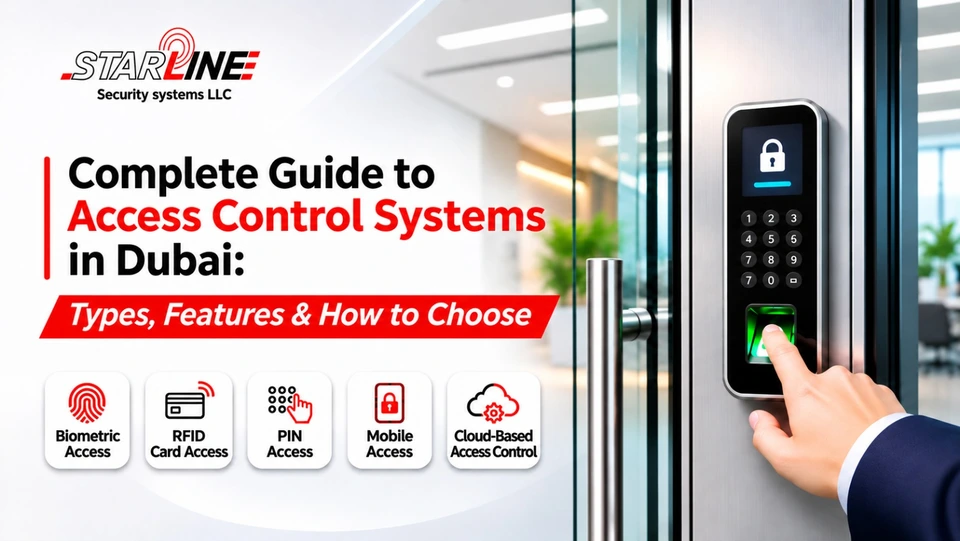
Dubai’s offices, residential communities and commercial buildings are more connected than ever, and security has had to keep pace. Metal keys and paper entry registers work fine for a small space. Add more users, restricted zones and a steady flow of visitors and they quickly become a headache. Electronic access control gives property managers a cleaner way to decide who goes where, keep a record of entries and protect sensitive areas.
The choice of an access control system in Dubai varies according to the type of facility, the number of users and its security requirements. Offices may need different access permissions for employees and visitors, while warehouses and industrial facilities often require controlled entry to storage areas and operational zones. Understanding how access control works, the technologies available and the relevant regulatory requirements helps businesses evaluate their security needs and make informed decisions.
Understanding Access Control Systems and Their Operation
An access control system is an electronic security solution that manages entry to specific doors, rooms, buildings or restricted areas. It checks a person’s credentials before letting them through, which gives businesses real control over movement inside their premises.
Most systems are built from the same core components:
- Access credentials: Cards, key fobs, PINs, mobile devices or biometric data that identify the person.
- Access readers: Devices fitted at entry points that read or verify those credentials.
- Access control panel: The central unit that processes each request and applies the permissions that have been set.
- Electronic locks: Locking mechanisms that keep the door secured and release it once access is authorised.
- Management software: The platform used to add users, assign permissions, review access records and adjust system settings.
The process itself is simple. Someone presents a credential and the system checks whether that person is allowed into that particular area. Access is then granted or denied based on the configured settings.
That setup makes day-to-day administration far easier. When an employee changes roles, a contractor finishes a job or access needs shift, facility managers can update permissions straight away. The system also keeps records, which come in handy for routine monitoring and for reviewing incidents.
Types of Access Control Technologies
No single technology suits every site. The right choice depends on the number of users, the level of protection required, the type of facility and the infrastructure already in place.
RFID Card and Key Fob Access
Radio frequency identification (RFID) lets users enter by presenting a compatible card or key fob to a reader. It is a common choice in offices, residential buildings, educational institutions and commercial facilities. Central credential management is a big practical plus. If a card goes missing or an employee leaves, that card’s access can be switched off without changing the physical door lock. Businesses still need clear procedures for reporting lost cards, disabling unused credentials and issuing replacements.
Biometric Access Control
Biometric systems confirm identity through physical traits such as fingerprints or facial features. They are often considered for restricted areas where it matters that the person at the door is exactly who they claim to be.
Server rooms, laboratories, secure offices and facilities holding sensitive equipment or information are typical examples. Organisations should weigh recognition accuracy, user convenience, data security and the proper handling of biometric information before committing.
Mobile Access Control
Biometric systems confirm identity through physical traits such as fingerprints or facial features. They are often considered for restricted areas where it matters that the person at the door is exactly who they claim to be.
Server rooms, laboratories, secure offices and facilities holding sensitive equipment or information are typical examples. Organisations should weigh recognition accuracy, user convenience, data security and the proper handling of biometric information before committing.
PIN-Based Access Control
With PIN-based systems, users type a personal identification number into a keypad. They tend to suit smaller facilities, staff-only entrances and restricted rooms.
Security depends heavily on how the codes are handled. Shared or easily guessed PINs defeat the purpose and codes should be changed whenever an employee or authorised user leaves.
Cloud-Based and On-Premises Systems
Systems also differ in where their software and management infrastructure live.
- Cloud-based systems: Authorised administrators manage permissions through an internet-connected platform.
- On-premises systems: Software and infrastructure are hosted locally, so the organisation keeps direct control over system management.
- Hybrid systems: Local hardware and management are combined with selected cloud-based functions.
The right model comes down to the organisation’s IT infrastructure, operational needs, data management policies and how much remote access is wanted.
Essential Features of Modern Access Control Systems
Locking and unlocking doors is only the starting point. When comparing solutions, these features can strengthen security and make daily operations smoother:
- User access management: Set different permissions for employees, visitors, contractors and other authorised individuals.
- Time-based access: Limit entry to working hours, shifts or specific schedules.
- Access activity reports: Check who entered a particular area and when.
- Visitor management integration: Tie visitor registration to access permissions where needed.
- Remote administration: Change selected access settings without standing at the control panel.
- Alarm and CCTV integration: Link access events with other security systems to support monitoring and incident review.
- Emergency access arrangements: Make sure doors and locks behave correctly in an emergency, in line with applicable fire and life-safety requirements.
- Scalability: Add users, doors and access points as the organisation grows.
Not every facility needs the full list. A small office may be well served by simple card-based entry, whereas a large commercial building could gain a lot from centralised management and integration with other security technologies.
What Should Businesses Know About SIRA and Safety Requirements in Dubai?
Anyone planning to install access control systems in Dubai should first look at the security requirements that apply to their property and business activity. The Security Industry Regulatory Agency (SIRA) sets technical specifications for access control systems within its Preventive Systems Manual. These cover areas such as system configuration, electronic locking mechanisms, connections and compatibility with other safety systems. Depending on the requirements that apply, the points to consider may include:
- Compatibility with approved fire alarm systems
- Suitable electronic locking mechanisms and emergency release arrangements
- Secure system connections and appropriate cabling
- Centralised management and operational reliability
- Compliance with the relevant technical specifications for the installation
It is worth knowing that not every access control product or installation follows the same approval process. Requirements vary with the facility, the type of system and the regulatory scope. Businesses should confirm what applies to their own premises and, where required, work with a suitably licensed security systems provider.
How Can You Choose the Right Access Control System for Your Facility?
Picking a system is about more than choosing a reader or a lock. The real question is how well the solution will support daily operations and long-term security. These factors are a good place to begin.
1. Assess Your Security Requirements
Start by identifying which areas need controlled entry and how much protection each one needs. A reception entrance, a staff-only office and a restricted server room will rarely share the same permissions.
2. Consider the Number of Users and Entry Points
The system should handle today’s employees, visitors and access points. If expansion is likely, choose a solution that can take on more users and doors without a full replacement.
3. Choose the Appropriate Access Technology
Compare RFID cards, biometric readers, mobile credentials and PIN-based systems. Convenience, security needs, the user experience and the practical realities of the site all matter here.
4. Check Integration Requirements
If the premises already have CCTV, alarm systems or visitor management software, find out whether the proposed system will work with them. Good integration makes for a more coordinated security setup.
5. Review Management and Maintenance Needs
Think about how easily administrators can update permissions, monitor access records and deal with lost credentials. Technical support, maintenance and the availability of replacement components deserve a look too.
6. Work with an Experienced Security Systems Provider
Professional assessment and installation make sure readers, locks, controllers and software work together properly. A qualified provider can also point out the relevant compliance requirements and suggest a solution that fits the facility.
Access Control Applications Across Different Industries
Access control is used across many sectors in Dubai and the wider UAE and the configuration changes with the type of property and how it operates day to day.
- Corporate offices: Manage employee entry, restrict confidential departments and monitor movement through designated entry points.
- Residential buildings: Control access to main entrances, parking areas, shared facilities and restricted spaces.
- Warehouses and industrial facilities: Limit entry to storage areas, operational zones and places holding valuable equipment or materials.
- Healthcare facilities: Manage access to staff-only areas, medical storage rooms and sensitive departments.
- Educational institutions: Control entry to administrative offices, laboratories and other restricted areas.
- Hotels and hospitality properties: Support controlled access to staff areas, service entrances and selected guest facilities.
When the solution is matched well to the property, entry is managed more consistently and the premises’ security requirements are better supported.
Conclusion
Choosing an access control system takes more thought than picking a card reader or a biometric device. Security requirements, building layout, user numbers, integration needs and applicable regulations all play a part. A well-chosen system improves entry management, protects restricted areas and adapts as a facility’s needs change. As buildings and business operations grow more complex, access management belongs within the wider security infrastructure. Selecting the right technology and planning its rollout carefully goes a long way toward keeping access under effective control. Starline Security Systems provides access control solutions built around different facility and business needs across the UAE. Contact Starline to discuss your requirements and find an access control solution that suits your property.